Ceramic Braces vs. Metal Braces: Pros and Cons
When exploring orthodontic treatment options, many patients in Glendale, CA turn to Massih Orthodontics for guidance on choosing between ceramic and metal braces. Both options are designed to correct misaligned teeth, improve bite function, and enhance overall oral health. While they serve the same purpose, their materials, appearance, and performance differ in ways that can significantly impact a patient’s experience.
Traditional braces have evolved considerably over the years. Modern orthodontics offers more comfortable, efficient, and aesthetically pleasing solutions than ever before. Whether you’re considering Traditional Metal or Clear Braces or looking into newer alternatives, understanding the differences between ceramic and metal braces is key to making an informed decision that aligns with your lifestyle and goals.
Appearance and Aesthetic Appeal
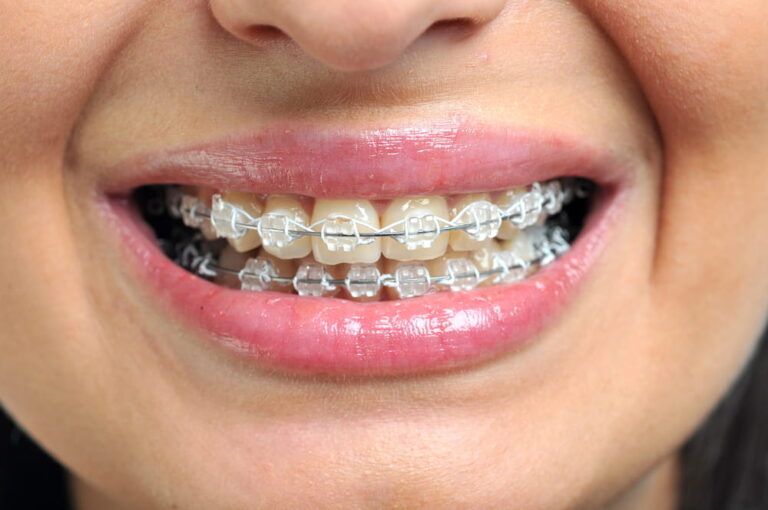
One of the most noticeable differences between ceramic and metal braces is their appearance. Ceramic braces are designed to blend in with the natural color of your teeth, making them far less noticeable than traditional metal braces. This makes them especially popular among teens and adults who prefer a more discreet orthodontic option.
Metal braces, on the other hand, are more visible due to their stainless steel brackets and wires. While some patients enjoy customizing them with colorful bands, others may feel self-conscious about their appearance. For individuals prioritizing subtlety, ceramic braces offer a clear advantage. However, for those who don’t mind a more traditional look—or even embrace it—metal braces remain a reliable and effective choice.
Durability and Strength
When it comes to strength and durability, metal braces tend to have the upper hand. Made from high-grade stainless steel, they are incredibly robust and less prone to breaking or chipping. This durability makes them ideal for patients with more complex orthodontic needs or those who may be less cautious with their braces.
Ceramic braces, while strong, are generally more brittle than metal braces. They can chip or crack under excessive pressure, which may lead to additional orthodontic visits for repairs. This doesn’t mean ceramic braces are fragile, but they do require a bit more care and mindfulness during treatment. Patients who are active or frequently eat hard foods may find metal braces to be the more practical option.
Treatment Time and Effectiveness
Both ceramic and metal braces are highly effective at correcting a wide range of orthodontic issues, including crowding, spacing, and bite misalignment. However, treatment time can vary slightly depending on the type of braces used and the complexity of the case.
Metal braces typically work more efficiently due to their strength and ability to withstand greater pressure. This can sometimes result in shorter treatment times. Ceramic braces may require slightly longer treatment durations because they are adjusted more gently to prevent damage. That said, the difference is often minimal and varies from patient to patient.
For those seeking alternatives with even more flexibility, options like Invisalign or InBraces may also be worth exploring, depending on individual needs and preferences.
Comfort and Maintenance
Comfort is an important consideration during orthodontic treatment. Both ceramic and metal braces can cause some initial discomfort as the teeth begin to shift, but modern designs have made both options more comfortable than in the past. Ceramic braces tend to have smoother, less noticeable brackets, which may reduce irritation to the gums and cheeks.
Maintenance, however, can differ between the two. Ceramic braces are more prone to staining, especially if patients frequently consume coffee, tea, or other pigmented foods. While the brackets themselves resist staining, the elastic ties used with them can discolor over time, requiring more frequent replacements.
Metal braces are easier to maintain in terms of appearance, as they do not stain. However, both types require diligent oral hygiene practices, including regular brushing, flossing, and dental checkups to prevent plaque buildup and maintain healthy teeth throughout treatment.
Cost Considerations and Practical Factors
Cost is another factor that often influences the decision between ceramic and metal braces. Generally, ceramic braces are more expensive due to their less noticeable appearance and the materials used in their construction. Metal braces are typically the more budget-friendly option, making them accessible for a wider range of patients.
When deciding between the two, it’s helpful to consider the following:
- Ceramic braces offer a more discreet look but may cost more
- Metal braces are more durable and often more affordable
- Treatment time differences are usually minimal
- Lifestyle habits and diet can impact the longevity of ceramic braces
Ultimately, the best choice depends on individual priorities, whether that’s aesthetics, cost, or durability.
Making the Right Choice for Your Smile
Choosing between ceramic and metal braces is a personal decision that should take into account your lifestyle, orthodontic needs, and aesthetic preferences. Both options are effective and widely used, and each comes with its own set of advantages and considerations. Consulting with an experienced orthodontic professional can help clarify which option aligns best with your goals.
For patients seeking orthodontic care in Glendale, CA, Massih Orthodontics provides valuable insight into these options, helping individuals navigate their choices with confidence. Whether you prioritize discretion, durability, or cost, understanding the pros and cons of ceramic versus metal braces ensures you’re well-equipped to make the best decision for your smile. Dr. Karmen Massih and the team at Massih Orthodontics emphasize informed decision-making as a key part of achieving long-term orthodontic success.
Sources
Proffit, W. R., Fields, H. W., & Sarver, D. M. (2018). Contemporary Orthodontics. Elsevier.
American Association of Orthodontists. (2022). Braces and Orthodontic Treatment Options.
Graber, L. W., Vanarsdall, R. L., & Vig, K. W. (2016). Orthodontics: Current Principles and Techniques. Elsevier.

Recent Comments