Professional Whitening vs. Over-the-Counter Kits
For people interested in a brighter smile, the number of whitening choices can make it difficult to know where to begin. Professional whitening and over-the-counter products both aim to reduce discoloration, but they can differ considerably in their strength, application, predictability, and level of professional oversight. For patients learning about cosmetic dental options in Glendale, CA, Massih Orthodontics provides a helpful local context for understanding how whitening approaches compare.
Whitening is not necessarily a one-size-fits-all process. The cause of discoloration, existing dental work, tooth sensitivity, and expectations for the final shade can all influence which approach may be appropriate. Understanding these differences can help people make more informed decisions about their smiles.
How Professional Teeth Whitening Works
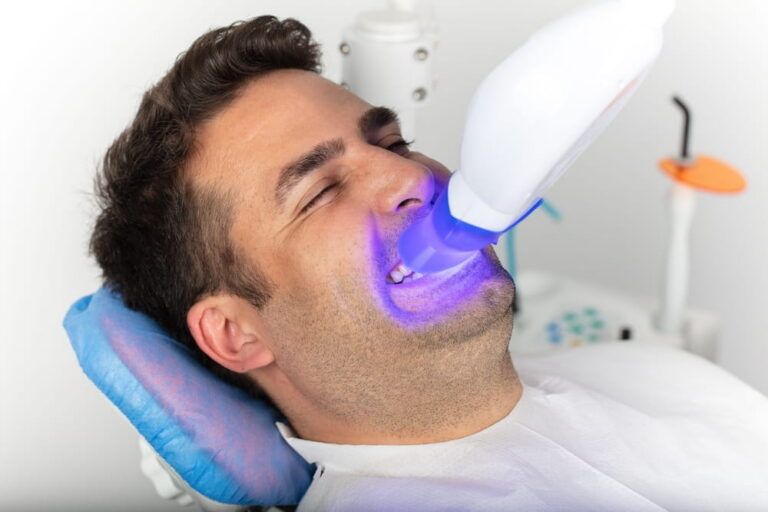
Professional whitening generally uses peroxide-based whitening agents at concentrations and with application methods designed for use under dental supervision. Depending on the system, protective measures may be used around the gums and other soft tissues before the whitening material is placed on the teeth. Some professional systems also incorporate specialized equipment as part of the treatment process.
One of the primary advantages of professional teeth whitening is the controlled nature of treatment. Dental professionals can evaluate the teeth beforehand and consider factors such as sensitivity, restorations, enamel condition, and the type of staining present. Professional treatment may also produce noticeable changes within a shorter period than many products intended for gradual home use.
Understanding Over-the-Counter Whitening Kits
Over-the-counter whitening products include strips, gels, trays, toothpastes, pens, and rinses. These products are designed for consumers to apply independently by following package instructions. Whitening strips and trays typically rely on peroxide-based ingredients, while many whitening toothpastes focus more heavily on removing surface stains through polishing or abrasive ingredients.
Convenience is one of the main reasons consumers choose these products. They are widely available and can usually be incorporated into a home routine without an appointment. However, results can vary depending on the product, how consistently it is used, the concentration of its active ingredients, and whether it maintains even contact with the teeth.
Comparing Results and Treatment Control
Professional whitening generally provides greater control over how the whitening material is applied. Customized or carefully managed application can help create more uniform exposure across visible tooth surfaces. Over-the-counter strips or generic trays may not fit every person’s teeth equally well, which can occasionally contribute to uneven whitening.
The type of discoloration also matters. Surface stains associated with foods, beverages, or certain habits may respond differently than discoloration originating deeper within the tooth. Neither professional nor store-bought whitening changes the color of crowns, veneers, fillings, or other tooth-colored restorations. This distinction is important because whitening natural teeth around existing restorations can potentially create noticeable shade differences.
Sensitivity and Oral Health Considerations
Temporary tooth sensitivity is possible with both professional and over-the-counter whitening. Peroxide can temporarily increase sensitivity, particularly when stronger concentrations are used or when whitening products are applied too frequently. Gum irritation can also occur if whitening material repeatedly contacts the soft tissues.
Existing oral health conditions should also be considered before whitening. Cavities, cracked teeth, gum recession, worn enamel, or exposed roots can affect comfort and may require attention before cosmetic whitening is considered. Following product directions carefully is particularly important with home kits, since using more whitening material or extending treatment beyond the recommended period does not necessarily lead to better results.
Choosing a Whitening Approach With Realistic Expectations
The better whitening option depends on individual priorities. Someone looking for gradual improvement and home convenience may find an over-the-counter approach appealing, while a person seeking more controlled treatment or a more significant change may prefer professional whitening. The starting shade and underlying cause of discoloration can influence the outcome with either method.
It is also helpful to remember that whitening results are not permanent. Coffee, tea, red wine, tobacco, and other strongly pigmented substances can contribute to new staining over time. Consistent brushing, routine dental care, and sensible habits can help preserve a brighter appearance after whitening.
Ultimately, comparing professional whitening with over-the-counter kits involves more than deciding which option is stronger. Safety, sensitivity, staining patterns, restorations, treatment consistency, and personal expectations all deserve consideration. For individuals in Glendale, CA exploring ways to better understand their whitening choices, Massih Orthodontics and Dr. Karmen Massih provide a local point of reference as patients consider the factors that can influence a brighter-looking smile.
Resources
American Dental Association Council on Scientific Affairs. (2009). Tooth Whitening/Bleaching: Treatment Considerations for Dentists and Their Patients. American Dental Association.
Carey, C. M. (2014). Tooth Whitening: What We Now Know. Journal of Evidence-Based Dental Practice, 14, 70–76.
Joiner, A. (2006). The Bleaching of Teeth: A Review of the Literature. Journal of Dentistry, 34(7), 412–419.

Recent Comments