Tips for Caring for Your Invisalign Aligners
Patients choosing Invisalign often appreciate the convenience and subtle appearance of clear aligners, but proper care is essential to get the best results. At Massih Orthodontics in Glendale, CA, Dr. Karmen Massih emphasizes that aligner maintenance plays a major role in both oral health and treatment success. Because aligners are worn for 20–22 hours a day, they can easily collect bacteria, plaque, and stains if not cleaned regularly.
Keeping aligners in good condition not only helps maintain their transparency but also prevents unpleasant odors and potential oral health issues. Patients who follow consistent cleaning and handling habits tend to experience smoother treatment progress and fewer complications. Understanding how to properly care for your aligners ensures that each stage of your orthodontic journey stays on track.
Daily Cleaning Habits for Clear Aligners
Proper Cleaning Techniques
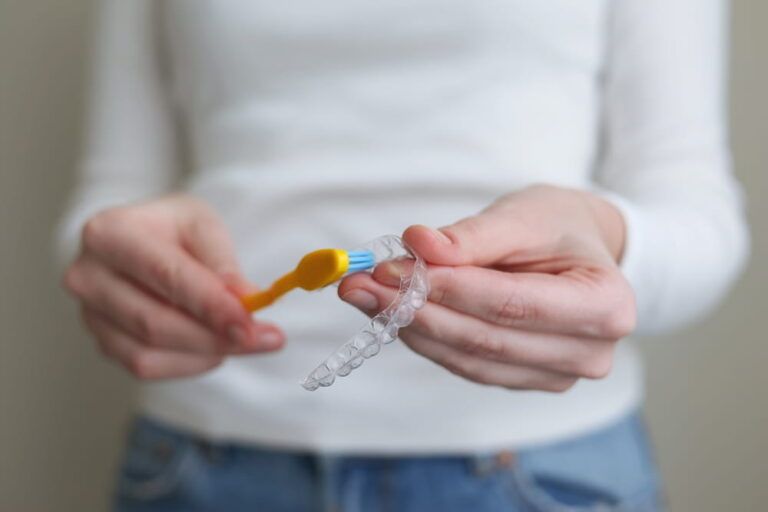
Cleaning your aligners daily should become part of your routine, just like brushing and flossing your teeth. Rinsing them with lukewarm water every time you remove them helps wash away saliva and bacteria. It’s important to avoid hot water, as it can warp the plastic and affect the fit. Using a soft toothbrush and clear, unscented soap is often recommended for gently scrubbing the aligners without scratching them.
Many patients are tempted to use toothpaste, but this can be too abrasive and may create tiny scratches where bacteria can accumulate. Specialized aligner cleaning crystals or tablets can provide a deeper clean when used as directed. Maintaining a consistent cleaning routine keeps aligners clear, comfortable, and hygienic throughout the day.
Preventing Odor and Buildup
Aligners can trap food particles and bacteria if not properly maintained. This buildup can lead to unpleasant odors and even increase the risk of cavities or gum irritation. To prevent this, always brush and floss your teeth before reinserting your aligners. Clean teeth help ensure that you’re not trapping harmful bacteria inside the trays.
Drinking anything other than water while wearing aligners can also contribute to staining and odor. Sugary or acidic beverages can seep into the aligners and sit against your teeth, increasing the risk of decay. Removing your aligners before eating or drinking anything besides water is one of the simplest ways to maintain both oral health and aligner cleanliness.
Smart Habits for Everyday Wear
Handling Aligners Safely
Handling your aligners carefully helps prevent damage or loss. Always remove them using gentle pressure and avoid bending or twisting them excessively. When not in use, store them in their designated case rather than wrapping them in a napkin or leaving them exposed. Many aligners are accidentally thrown away or damaged simply due to improper storage.
Keeping your aligner case clean is equally important. Regularly washing it with mild soap and water prevents bacteria from transferring back onto your aligners. Developing these small habits can significantly extend the life and effectiveness of each set of trays.
Staying Consistent with Wear Time
Consistency is key to successful treatment. Aligners must be worn for the recommended 20–22 hours per day to ensure teeth move according to plan. Removing them too often or for extended periods can delay progress and may require additional aligners or refinements.
Patients balancing busy schedules sometimes forget to put their aligners back in after meals or social events. Setting reminders or building routines around meals can help maintain proper wear time. Staying disciplined ensures that each aligner stage works as intended and keeps treatment on schedule.
Protecting Your Aligners from Damage
Avoiding Common Mistakes
There are several common mistakes that can compromise aligners. One of the biggest is exposing them to heat, such as leaving them in a hot car or rinsing them with hot water. Heat can distort the plastic, making the aligners ineffective or uncomfortable to wear.
Another mistake is chewing gum while wearing aligners. Gum can stick to the trays and be difficult to remove, potentially damaging them. Similarly, biting down on aligners intentionally can cause cracks or weaken their structure over time.
Key Do’s and Don’ts for Aligner Care
- Always rinse aligners with lukewarm water after removal
- Brush and floss before reinserting aligners
- Store aligners in a protective case when not in use
- Avoid hot water, which can warp the trays
- Remove aligners before eating or drinking anything other than water
- Clean aligners daily using gentle, non-abrasive methods
Following these guidelines helps preserve the integrity of your aligners and supports a smoother orthodontic experience.
Supporting Overall Oral Health During Treatment
Maintaining Oral Hygiene
While aligners play a major role in straightening teeth, maintaining oral hygiene is equally important. Brushing at least twice a day and flossing daily helps prevent plaque buildup and keeps your teeth healthy throughout treatment. Aligners create a sealed environment around your teeth, so keeping them clean is essential to avoid issues like cavities or gum inflammation.
Regular dental checkups and cleanings also support your progress. These visits allow for professional monitoring of your oral health and ensure that your teeth remain in optimal condition while undergoing alignment.
Complementary Smile Care Options
Some patients explore additional treatments to enhance their smile after orthodontic care. Options like Teeth Whitening can help brighten teeth once alignment is complete. Others may consider alternatives such as Traditional Metal or Clear Braces or InBraces depending on their orthodontic needs.
Understanding the full range of orthodontic and cosmetic options allows patients to make informed decisions about their long-term smile goals. Proper aligner care is just one part of a comprehensive approach to maintaining oral health and achieving lasting results.
Keeping Your Invisalign Journey on Track
Caring for your aligners doesn’t require complicated steps, but it does demand consistency and attention to detail. By incorporating daily cleaning habits, handling aligners properly, and maintaining excellent oral hygiene, patients can ensure that their treatment progresses smoothly and effectively.
At Massih Orthodontics in Glendale, CA, Dr. Karmen Massih encourages patients to stay proactive about aligner care to protect their investment in a healthier, more confident smile. With the right habits in place, Invisalign treatment can be a seamless and rewarding experience from start to finish.
Sources
American Association of Orthodontists. (2023). Invisalign Care and Maintenance Guidelines.
Mayo Clinic Staff. (2022). Oral Health Basics: Teeth and Gum Care. Mayo Clinic.
Colgate-Palmolive Company. (2023). How to Clean Invisalign Aligners Properly.

Recent Comments