Botox in Dentistry: Beyond Wrinkle Reduction
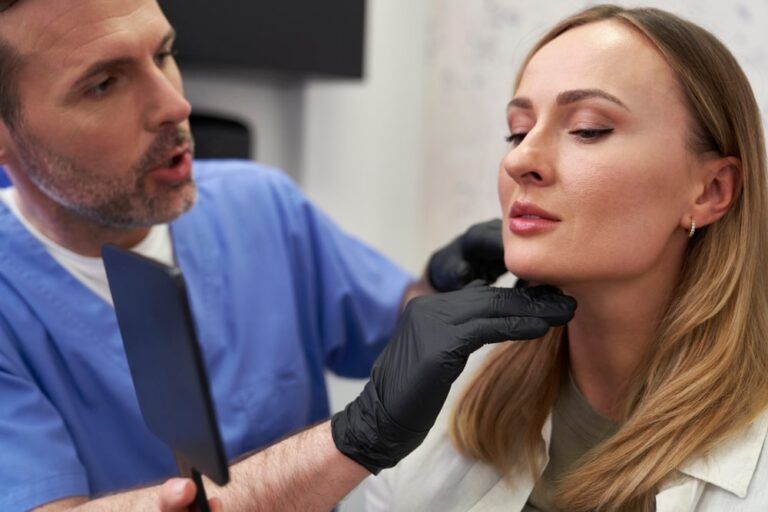
At Massih Orthodontics in Glendale, CA, Botox is no longer just a treatment for smoothing wrinkles. Increasingly, dental professionals are exploring its medical benefits within oral health and orthodontics. Dr. Karmen Massih and her team recognize that Botox can be an effective adjunct therapy for a variety of dental conditions, offering patients both functional and aesthetic improvements. This treatment bridges the gap between cosmetic enhancement and therapeutic dental care, highlighting its versatility beyond traditional uses.
By understanding how Botox interacts with the muscles of the face and jaw, dentists can address issues that were once challenging to manage. From jaw tension to bite-related discomfort, the applications of Botox in dentistry are expanding rapidly, providing patients in Glendale with innovative options for comprehensive oral health care.
The Role of Botox in Treating TMJ Disorders
TMJ disorders, affecting the temporomandibular joint, can cause chronic pain, headaches, and difficulty chewing. One of the emerging treatments is Botox, which works by relaxing overactive muscles that contribute to jaw tension. In patients with TMJ discomfort, targeted Botox injections can reduce clenching and grinding, easing strain on the joint and surrounding muscles. This approach allows for a non-invasive alternative to more traditional interventions, potentially reducing the need for long-term pain medication or corrective devices.
Botox can also complement other treatments for TMJ, such as TMJ Treatment therapies, bite adjustments, or orthodontic interventions. By relaxing hyperactive muscles, patients often notice immediate relief, improved jaw mobility, and a reduction in headaches caused by jaw strain. The integration of Botox into TMJ management highlights the growing intersection of medical and dental therapies for holistic care.
Enhancing Facial Harmony and Bite Function
Beyond therapeutic benefits, Botox in dentistry can help enhance facial aesthetics by addressing issues related to bite imbalance and muscle overactivity. For example, some patients experience a “gummy smile” due to excessive upper lip movement. Strategic Botox injections can temporarily reduce this motion, creating a more balanced and harmonious smile without surgical intervention. Similarly, patients with bruxism, or chronic teeth grinding, can benefit from reduced muscle activity, which protects teeth from long-term wear and preserves overall dental structure.
Additionally, Botox treatments can assist in improving orthodontic outcomes. Patients undergoing Invisalign or Traditional Metal or Clear Braces may find that relaxed jaw muscles allow for more predictable tooth movement and increased comfort during treatment. By reducing muscular tension, Botox can indirectly support the effectiveness of orthodontic care, while also providing functional benefits that improve everyday oral function.
Pain Management and Muscle Relief
Chronic facial pain is a common issue that can be difficult to manage through conventional dental treatments alone. Botox offers a unique solution by targeting the underlying muscular causes of discomfort. It is particularly effective in reducing tension headaches, jaw soreness, and discomfort from overactive chewing muscles. Many patients notice a significant decrease in pain after just one treatment session, allowing for improved quality of life and easier management of oral habits such as clenching or grinding.
Some key benefits of using Botox for pain management in dentistry include:
- Relaxation of hyperactive facial and jaw muscles
- Reduction in tension-related headaches and facial pain
- Complementary support for orthodontic or restorative treatments
By addressing the root causes of muscular pain, Botox enhances both comfort and function, demonstrating that its utility in dentistry goes far beyond aesthetic purposes.
Expanding Dental Horizons with Botox
Botox in dentistry is proving to be a versatile tool that combines functional therapy with aesthetic enhancement. In Glendale, CA, Massih Orthodontics emphasizes the broader applications of Botox for TMJ relief, bruxism management, facial symmetry, and pain reduction. By understanding and utilizing these medical benefits, patients can experience improvements in oral health, comfort, and overall quality of life. With continued research and clinical practice, Botox is becoming an integral part of comprehensive dental care, highlighting its potential far beyond wrinkle reduction.
Resources:
- Guarda-Nardini, L., Manfredini, D., & Ferronato, G. (2008). Temporomandibular disorders and muscle relaxation therapy: A review. Journal of Oral Rehabilitation.
- Moore, P. A., & Brar, P. S. (2006). Use of botulinum toxin in dentistry. Journal of the American Dental Association.
- Raphael, K. G., Marbach, J. J., & Sirois, D. (2001). Clinical applications of botulinum toxin for jaw pain and temporomandibular disorders. Pain Medicine.

Recent Comments