How Botox Can Help With TMJ and Jaw Pain
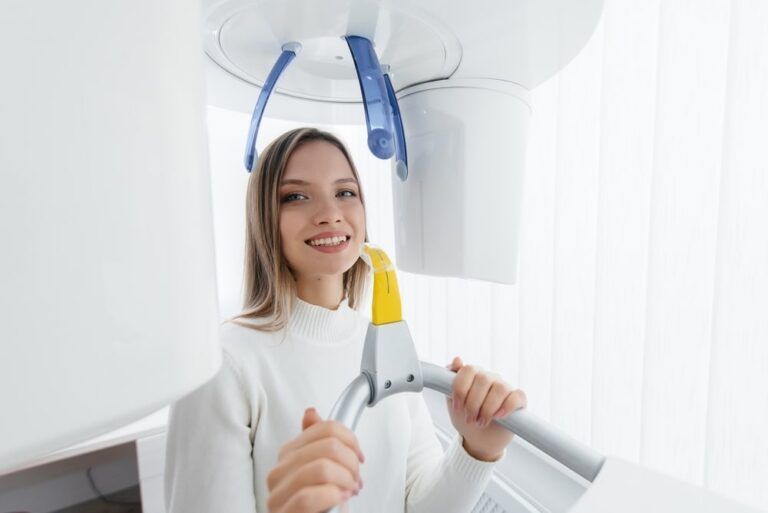
Temporomandibular joint (TMJ) disorders affect millions of people and can lead to chronic jaw pain, headaches, and difficulty chewing. At Massih Orthodontics in Glendale, CA, patients often seek solutions for the discomfort associated with TMJ issues. The temporomandibular joint connects the jawbone to the skull, allowing for smooth movement during talking, chewing, and yawning. When the muscles and ligaments surrounding this joint become overworked or misaligned, it can result in tension, soreness, and sometimes even audible clicking or popping sounds.
Jaw pain is often linked to teeth grinding, stress, or misaligned bites, which can create a cycle of discomfort that impacts daily life. Many individuals notice increased tension in the jaw during stressful periods or after prolonged chewing. While traditional approaches such as TMJ Treatment focus on splints, exercises, and bite adjustments, new solutions like Botox have shown promising results for reducing muscle strain and providing relief for persistent jaw tension. Understanding how Botox works in this context can help patients make informed choices about their pain management options.
How Botox Works for Jaw Pain
Botox, a purified neurotoxin, is widely recognized for its cosmetic uses, but it also has therapeutic benefits in addressing TMJ-related discomfort. When injected into overactive jaw muscles, Botox temporarily relaxes them, reducing the strain that contributes to pain and tension. This relaxation can alleviate the pressure that often causes headaches, facial pain, and teeth grinding. By targeting specific muscles responsible for jaw clenching, Botox can create noticeable relief without affecting overall facial movement.
The procedure is minimally invasive, usually performed in a clinical setting, and requires only a few targeted injections. Patients typically report improvements within a few days to a week, with effects lasting several months. Unlike medications that mask pain or require daily use, Botox addresses the underlying muscular tension, providing a more long-term solution for many individuals suffering from TMJ discomfort. For those exploring treatment options, understanding the difference between Botox and traditional interventions, such as Invisalign or Traditional Metal or Clear Braces, is crucial, as each approach targets different aspects of jaw alignment and muscle function.
Benefits Beyond Pain Relief
In addition to alleviating jaw pain, Botox can help improve overall oral health and quality of life. Reducing muscle tension may decrease the likelihood of excessive wear on teeth caused by grinding or clenching, which can otherwise lead to cracks, sensitivity, or enamel erosion. Patients often experience fewer headaches and a more relaxed jaw, making everyday activities like eating, speaking, and smiling more comfortable.
Botox treatments are also customizable based on the severity of the patient’s symptoms. For example, some individuals may benefit from a single session targeting one or two muscles, while others may require a broader approach for optimal relief. Combined with therapies like TMJ Treatment, patients may notice longer-lasting results and improved comfort. For those experiencing stress-related jaw tension, Botox can even reduce nighttime clenching, improving sleep quality and overall wellness.
Who Can Benefit From Botox for TMJ?
Botox is suitable for adults experiencing chronic jaw pain, tension headaches, or symptoms of TMJ disorders that do not respond to conventional therapies. Individuals who suffer from frequent teeth grinding or facial muscle tightness may particularly benefit from this approach. It is essential to consult a qualified professional to determine whether Botox is appropriate, as proper assessment ensures targeted treatment and maximum relief.
Patients seeking cosmetic or functional improvements should be aware that Botox works specifically to relax muscles rather than realign the jaw or teeth. For alignment-related issues, services such as Invisalign, InBraces, or Traditional Metal or Clear Braces may complement the muscular benefits of Botox, creating a comprehensive approach to oral health. Additionally, combining Botox with routine dental care, such as Teeth Whitening or preventative orthodontics for children, can support overall oral wellness.
Conclusion
Botox offers an innovative, effective approach to managing TMJ and jaw pain, providing relief from muscle tension and associated discomfort. By targeting overactive jaw muscles, it can improve quality of life and support long-term oral health. For residents in Glendale, CA, understanding the role of Botox in TMJ management can empower them to make informed decisions about their pain relief options. Massih Orthodontics continues to be a resource for patients seeking knowledge and solutions for maintaining healthy, comfortable jaws.
Resources:
McNeill, C. (1997). Management of Temporomandibular Disorders: Concepts and Controversies. Journal of Prosthetic Dentistry.
Durham, J., et al. (2015). Botulinum Toxin in the Management of Temporomandibular Disorders: Evidence and Outcomes. Journal of Oral Rehabilitation.
Lee, H., & Kim, S. (2016). Effectiveness of Botox Injection for Myofascial Pain in the Jaw. Clinical Oral Investigations.

Recent Comments