VPro5: How Micro-Pulses Help Teeth Move More Efficiently
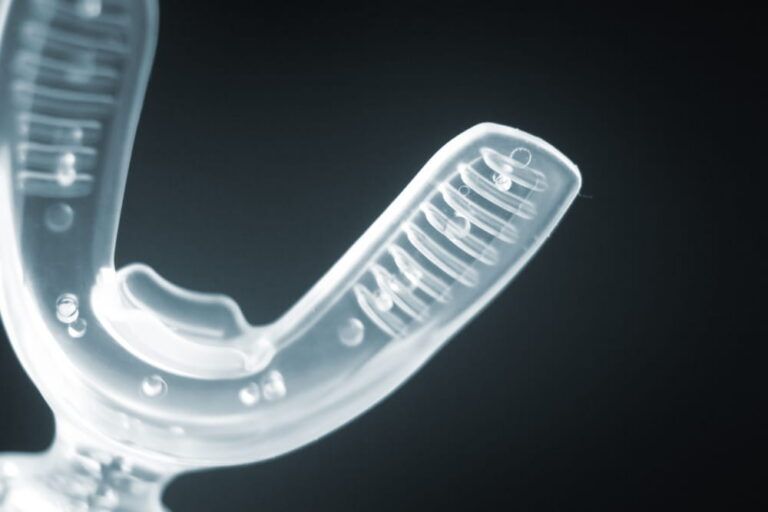
Orthodontic treatment is built around carefully controlled forces that gradually guide teeth toward new positions. As technology has advanced, additional tools have been developed to complement this biological process and make certain aspects of treatment more efficient and comfortable. One example is VPro5, a small oral device that uses gentle high-frequency vibration during short daily sessions. For patients in Glendale, CA researching advances in orthodontics, Massih Orthodontics provides local context for understanding technologies such as VPro5 and how they fit into modern treatment.
VPro5 does not physically push teeth into their final positions on its own. Instead, it is designed as an adjunct to an orthodontic treatment plan. Understanding what those vibrations do—and what they cannot do—helps put the technology into perspective.
Understanding How Orthodontic Tooth Movement Happens
Teeth may feel firmly fixed in place, but the tissues surrounding their roots are capable of responding to carefully applied orthodontic forces. When an orthodontic appliance places pressure on a tooth, biological activity occurs within the periodontal ligament and surrounding bone. Bone is gradually remodeled, allowing the tooth to change position over time.
This fundamental process applies whether treatment involves Invisalign or traditional metal or clear braces. Tooth movement must remain controlled because excessive force does not necessarily produce faster or healthier results. Orthodontic treatment therefore depends on balancing appropriate forces with the body’s natural remodeling process.
What VPro5 Micro-Pulses Actually Do
VPro5 uses high-frequency vibration, sometimes described in patient-friendly terms as micro-pulses. During use, the patient gently bites onto the device’s mouthpiece while it produces small vibrations. These brief sessions are designed to complement the forces already being generated by an orthodontic appliance rather than replace them.
Research into high-frequency vibration has explored whether this mechanical stimulation can influence orthodontic tooth movement and associated biological responses. The scientific evidence continues to evolve, and results regarding accelerated tooth movement have not been uniform across studies. For that reason, vibration technology should be viewed as a supplemental orthodontic tool rather than a guarantee that treatment will be completed within a specific shortened timeframe.
Supporting Clear Aligner Seating
One practical consideration during clear aligner treatment is how closely each aligner fits against the teeth. Aligners are created to represent a planned sequence of tooth positions. As teeth move, patients progress through this series according to an individualized schedule.
High-frequency vibration devices may help seat aligners more completely against the teeth. Consistent seating can be useful because clear aligners depend on close contact with tooth surfaces to deliver their intended forces. However, using an adjunctive device does not eliminate the need to wear aligners for the prescribed amount of time or follow instructions regarding changing to subsequent trays.
Comfort and Consistency During Treatment
Orthodontic adjustments and new aligners can sometimes produce temporary pressure or tenderness as the teeth respond to new forces. Research has examined vibration-based devices in relation to orthodontic discomfort, although individual experiences vary considerably. The short duration of VPro5 sessions is also intended to make the device relatively simple to incorporate into an established orthodontic routine.
Technology is only one part of successful treatment. Consistent appliance wear, oral hygiene, scheduled orthodontic evaluations, and following professional instructions remain essential. Supplemental devices cannot compensate for frequently missed aligner wear or other factors that interfere with an orthodontic treatment plan.
The Role of Technology in Modern Orthodontics
Modern orthodontics increasingly combines biological knowledge with digital planning, advanced materials, and supportive technologies. Devices such as VPro5 represent one part of that evolution. Rather than changing the fundamental biology of orthodontics, high-frequency vibration is intended to work alongside the controlled forces and natural tissue remodeling that make tooth movement possible.
Patients should also remember that treatment speed varies according to tooth position, movement complexity, biological response, appliance use, and many other individual factors. No supplemental technology can establish an identical timeline for everyone. For people in Glendale, CA interested in understanding how innovations are influencing today’s orthodontic experience, Massih Orthodontics and Dr. Karmen Massih provide local context for exploring the science and technology behind contemporary tooth movement.
Resources
Alikhani, M., Alansari, S., Hamidaddin, M. A., Sangsuwon, C., Alyami, B., Thirumoorthy, S. N., Oliveira, S. M., Nervina, J. M., & Teixeira, C. C. (2018). Vibration Paradox in Orthodontics: Anabolic and Catabolic Effects. PLOS ONE, 13(5), e0196540.
Miles, P., Smith, H., Weyant, R., & Rinchuse, D. J. (2012). The Effects of a Vibrational Appliance on Tooth Movement and Patient Discomfort: A Prospective Randomised Clinical Trial. Australian Orthodontic Journal, 28(2), 213–218.
Woodhouse, N. R., DiBiase, A. T., Papageorgiou, S. N., Johnson, N., Slipper, C., Grant, J., Alsaleh, M., & Cobourne, M. T. (2015). Supplemental Vibrational Force During Orthodontic Alignment: A Randomized Trial. Journal of Dental Research, 94(5), 682–689.

Recent Comments