No More Messy Molds: Why iTero Is the Future of Orthodontics
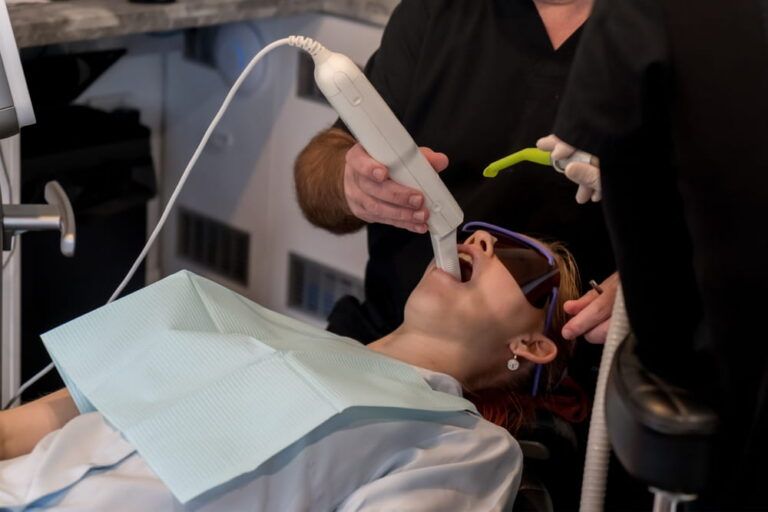
For decades, creating impressions of a patient’s teeth often meant biting into trays filled with thick impression material and waiting for it to set. Although traditional impressions have played an important role in orthodontics, digital technology has introduced a more comfortable and precise way to capture the shape and position of the teeth. At Massih Orthodontics in Glendale, CA, patients learning about modern orthodontic technology may encounter innovations such as iTero digital scanning as part of today’s changing treatment landscape.
An iTero scanner creates detailed digital images of the teeth and oral structures without relying on conventional impression material. Instead of producing a physical mold as the first step, the technology generates a three-dimensional digital model. This transition from physical impressions to digital scans illustrates how orthodontics is becoming increasingly focused on comfort, visualization, and efficient treatment planning.
Moving Beyond Traditional Dental Impressions
Traditional impressions typically require a tray containing impression material to remain in the mouth until the material sets. While the process can produce an accurate representation of the teeth, some patients find the sensation uncomfortable. The size of the tray, taste and texture of the material, and need to remain still can be particularly challenging for people with sensitive gag reflexes.
Digital scanning takes a different approach. A handheld scanning wand is moved around the teeth while capturing numerous images that are combined into a detailed 3D representation. Because the scan develops digitally, the operator can review it as it is created. Areas that require additional information can often be rescanned without repeating an entire traditional impression.
Greater Detail for Orthodontic Treatment Planning
Orthodontic treatment depends on understanding how teeth are positioned and how they may need to move. A detailed digital model gives orthodontic professionals another tool for examining tooth alignment, spacing, crowding, and other characteristics that may influence treatment planning.
Digital impressions can be particularly useful when planning treatments such as Invisalign, where precise digital information about tooth position is important for creating a sequence of aligners. Digital models can also contribute to broader orthodontic evaluations when considering options such as traditional metal or clear braces. The ability to enlarge, rotate, and examine a virtual model provides perspectives that are not as easily available with a physical impression alone.
Helping Patients Visualize Their Smiles
One of the most noticeable advantages of digital orthodontic technology is visualization. A physical mold provides useful clinical information, but it can be difficult for a patient to interpret. A three-dimensional model displayed on a screen can make the same information easier to understand.
Patients may be able to view areas of crowding, spacing, rotation, or other alignment concerns from different angles. Certain digital workflows can also be used to demonstrate potential changes associated with orthodontic treatment. These visual tools are educational rather than guarantees of a particular outcome, but they can help make discussions about treatment more tangible and understandable.
A More Efficient Digital Workflow
Digital scanning can streamline several parts of the orthodontic workflow. Because the information exists as a digital file, it can be incorporated into compatible treatment-planning systems without first creating and transporting a physical model. This can reduce some of the handling and storage associated with conventional impressions.
Digital records also make it possible to preserve detailed representations of the teeth at different stages of treatment. When appropriate, orthodontic professionals can compare scans over time and evaluate changes in tooth position. As orthodontics becomes increasingly digital, technologies such as iTero can help connect diagnosis, planning, appliance fabrication, and progress assessment within a more integrated process.
Why Digital Scanning Represents the Direction of Orthodontics
The growing use of intraoral scanners reflects a broader movement toward digital dentistry. Technology does not replace the expertise required to diagnose orthodontic concerns or develop an individualized treatment plan. Instead, tools such as iTero provide additional information that trained professionals can use when evaluating a patient’s teeth and considering possible treatment approaches.
For patients, the most immediate difference may simply be avoiding trays of impression material. Behind that convenience, however, digital scanning can provide detailed records, interactive visualization, and information that integrates with modern orthodontic systems. As these technologies continue to develop, they are likely to remain an increasingly important part of orthodontic care. For those in Glendale, CA interested in learning about advances shaping today’s orthodontic experience, Massih Orthodontics and Dr. Karmen Massih provide local context for understanding the continuing shift from traditional molds toward digital dentistry.
Resources
Mangano, F., Gandolfi, A., Luongo, G., & Logozzo, S. (2017). Intraoral Scanners in Dentistry: A Review of the Current Literature. BMC Oral Health, 17, 149.
Zimmermann, M., Mehl, A., Mörmann, W. H., & Reich, S. (2015). Intraoral Scanning Systems—A Current Overview. International Journal of Computerized Dentistry, 18(2), 101–129.
Kravitz, N. D., Groth, C., Jones, P. E., Graham, J. W., & Redmond, W. R. (2014). Intraoral Digital Scanners. Journal of Clinical Orthodontics, 48(6), 337–347.

Recent Comments